Loft conversion Exeter
Published 1 May 2026 | Author: Matt Rule | Estimated reading time: 11 minutes
Planning a loft conversion in Exeter? This is the story of one of our dormer loft conversions: the weather, the steels, the staircase, the insulation, the finishing details, and the way we keep a build moving while looking after the home and the people living in it.
Built around real family life
We plan access, protection, weatherproofing and daily progress so the build feels as organised as possible while you are still living at home.
Proper structure first
Steels, padstones, joists, fire doors, insulation and Building Control checks all matter before the room starts to look finished.
Professional, friendly builders
You get a team who can talk you through the technical bits clearly, coordinate trusted trades and still keep the site feeling human.
Project credentials
Written from site experience This article is based on the work carried out on site by the Silver Fern team, with project footage used to show the build as it happened.
Checked against real build stages We cover structure, weatherproofing, insulation, services, Building Control and finishing, not just the final room.
Local Exeter builders Silver Fern Developments works with homeowners in Exeter and across nearby Devon areas.
Watch the loft conversion project
Watch how the build came together, from the exposed roof and structural steels through to the staircase, insulation, bathroom and finished bedroom.
If the video does not load in your browser, watch the loft conversion project on YouTube.
What happened on this loft conversion
The aim was clear: turn unused roof space into a proper bedroom and bathroom with good access, warmth, light and a finish that felt like it had always belonged to the house.
It was not the easiest start. We opened up the roof, got the wall plates on and prepared temporary coverings, but a storm came through overnight. Whenever you have a roof exposed, there is always that feeling in the back of your mind that the phone might ring. Thankfully the damage was limited, but it was enough for us to stop, reassess, strip things back properly and change how we were going to protect the house.
That is a big part of how we work. Building projects rarely go perfectly in a straight line. Weather changes, deliveries arrive at awkward moments and occasionally equipment lets you down. What matters is having a calm team who can talk it through, make the right call and keep the homeowner protected.
If you are planning a loft conversion in Exeter, the best first step is a proper conversation. We can look at your roof space, talk through the likely structure, explain the approvals and help you understand whether a dormer, rooflights or an ensuite layout makes sense.
Is your loft suitable for conversion?
You do not need to know the answer before speaking to us. When we look at a loft, we are checking the existing roof structure, head height, staircase options, ridge height, drainage routes, electrics, fire safety and whether the finished room will feel genuinely useful.
Is there enough head height to create a comfortable room?
Where can the staircase go without spoiling the existing layout?
Would a dormer give you the space and window positions you need?
Do you want a bedroom, office, ensuite, dressing area or storage?
What this build achieved
Unused loft space We turned the roof space into a proper bedroom area with safe access and a finished staircase.
Dormer structure We built the dormer to create head height, usable floor area and practical window positions.
Warm, compliant room We coordinated insulation, ventilation, electrics, plumbing and Building Control inspections.
Finished living space We brought in trusted trades for roofing, electrics, plastering, plumbing, decorating and finishing.
Before, during and after the loft conversion
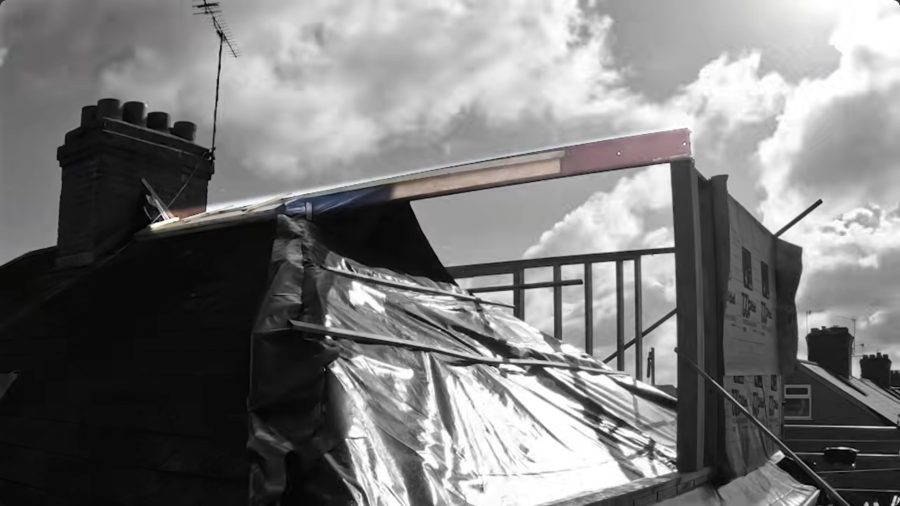
Before: checking the existing structure, roof shape and access constraints.
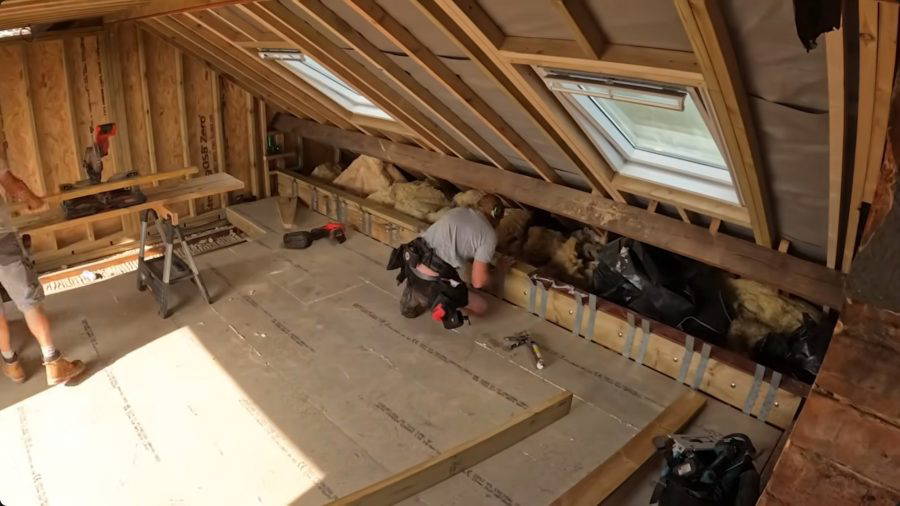
During: installing structure, dormer walls, joists, insulation and services.
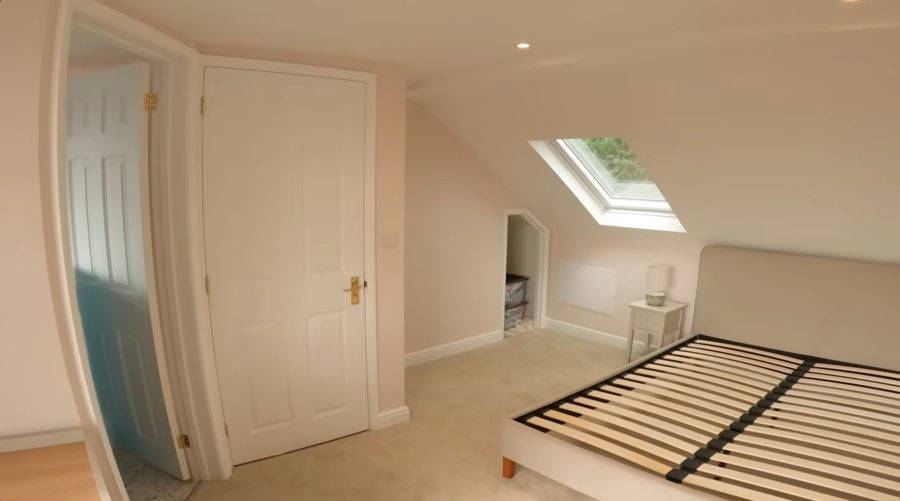
After: a bright finished bedroom that feels part of the home.
Our loft conversion process
The video shows a real build, not a polished showroom version. We had bad weather, heavy steels, awkward details, dusty work, scaffold logistics, trades coming in and out, and plenty of problem solving. That is exactly why experience matters.
Here is how this Exeter loft conversion came together, and what each stage means if you are thinking about doing something similar.
Step 1
Opening up the roof and reacting to the weather
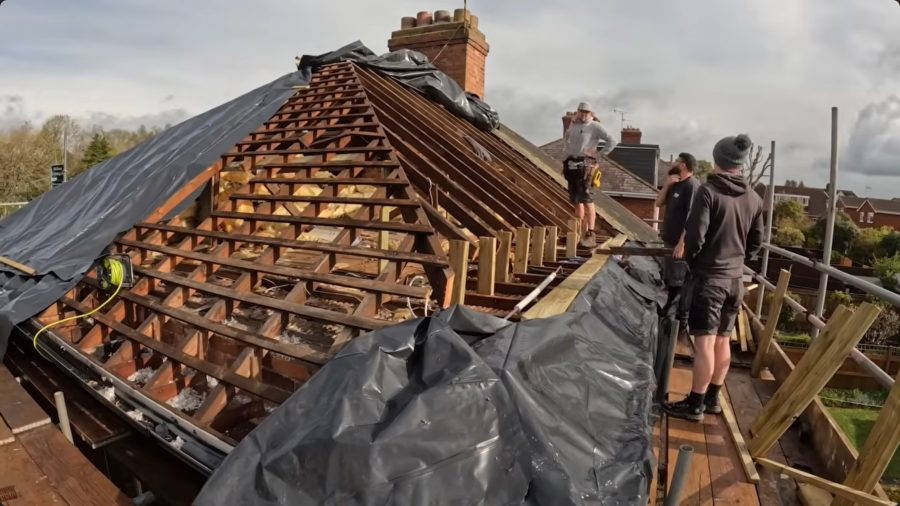
We started by stripping the roof, exposing the wall plates and preparing the structure for the dormer.
At the beginning of the build, we removed the lower layers of batten so we could expose the original wall plate. That wall plate is the timber the rafters and ceiling joists sit on, and it became the base for the new dormer walls.
The storm forced us to adapt quickly. We stripped back more of the roof, checked the damage, reset the temporary covering and made sure we had a clearer view before moving into the next phase. It was not ideal, but it shows why you want builders who stay calm when things change.
Step 2
Padstones, steels and structural planning
The steels and padstones give the new loft room the structural support it needs before the visible build can move forward.
Once the roof was opened up, we moved on to the structural work. Padstones went in first. These are dense concrete blocks that give the new steels a solid bearing point, transferring loads down through the brickwork below.
The main ridge steel was a big one. It had to be lifted, turned, rested, webbed out and finally set into position. We normally use a winch for that kind of lift, but on this job the winch cable started to fail. Sammy spotted it early, stopped the lift and we lowered the steel safely before the cable gave way near the ground.
That moment summed up the job well: preparation matters, but awareness matters too. We checked, changed approach, built temporary support posts and worked together to get the steel in safely.
Step 3
Building the dormer walls and roof deck
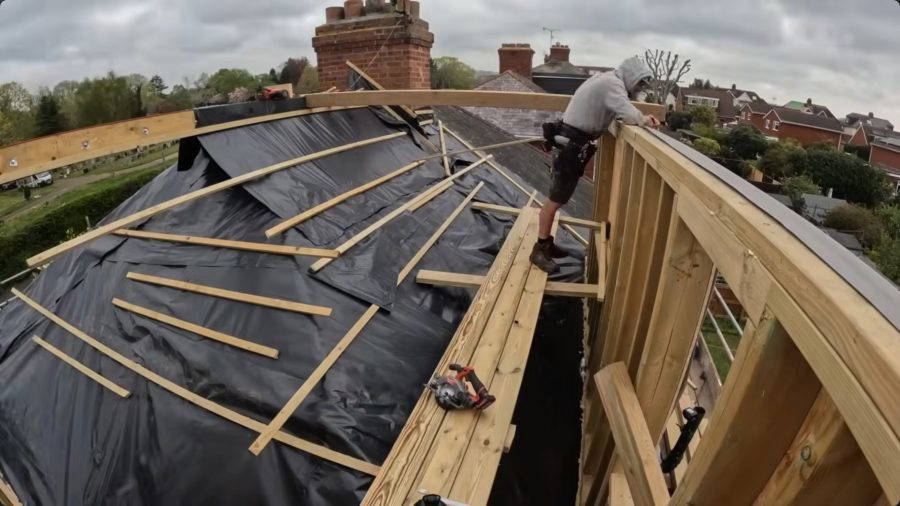
The dormer creates the head height and usable room shape that make the loft feel like a real bedroom.
With the main steel in, we built the rear and side elevations of the dormer. The upright timbers had to be square and plumb, with bracing in place before the top plates and infill studs went in. We then added lintels above the window openings and boarded the outside with OSB.
Some details look odd halfway through, such as boarding straight over a future window opening. We do that because it makes the dormer easier to brace and weatherproof. The window opening can then be cut out neatly later.
Step 4
Roofing, breathable membrane and weatherproofing
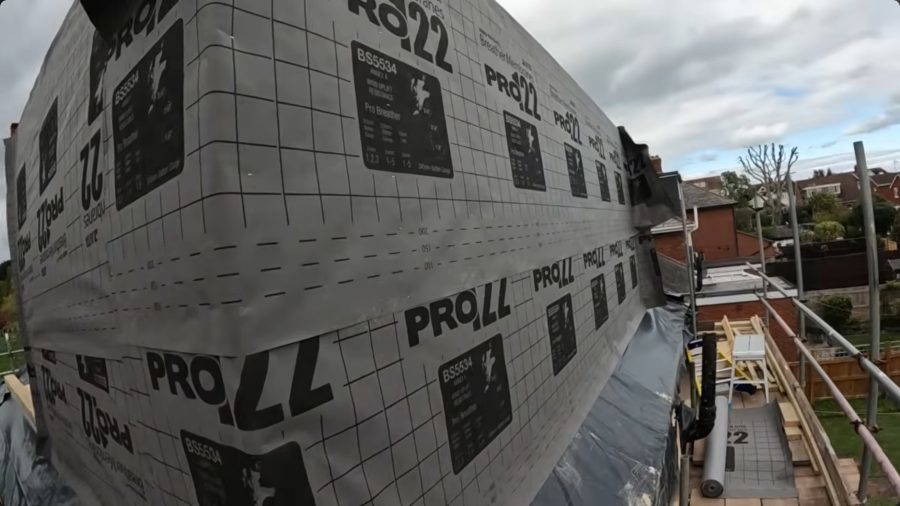
Once the dormer frame was ready, we focused on keeping water out and letting the roof breathe properly.
We used breathable membrane on the dormer walls, OSB to brace the structure and a single ply membrane system on the flat roof. Lee from Lee Marks Roofing installed the membrane, gluing it to the OSB deck and working across the roof carefully until the surface was sealed.
On the pitched roof sections, the roofers fitted felt support trays, battens, counter battens, rooflights, flashings and man-made slates. Homeowners often never see those details close up, but that workmanship is what protects the conversion for years.
Step 5
Floor joists, electrics, plumbing and Building Control
The new floor, services and inspections turn the opened-up loft into a safe, practical space ready for the next stage.
Inside the loft, we installed floor joists, joist hangers and a flitch beam to support the new staircase opening. We also had electricians in to make existing wiring safe and run new cables, because older houses can hide issues such as unearthed switch wires.
The plumber ran the soil pipe for the bathroom, and the Building Inspector visited to check the work against the required standards. We welcome those visits because they help confirm the structure, insulation approach and safety details are being built properly.
This is one of the reasons we tell customers not to judge a loft conversion only by the final photos. A lot of the most important workmanship is hidden behind floors, walls and ceilings.
Step 6
Cutting the stair opening and fitting the staircase
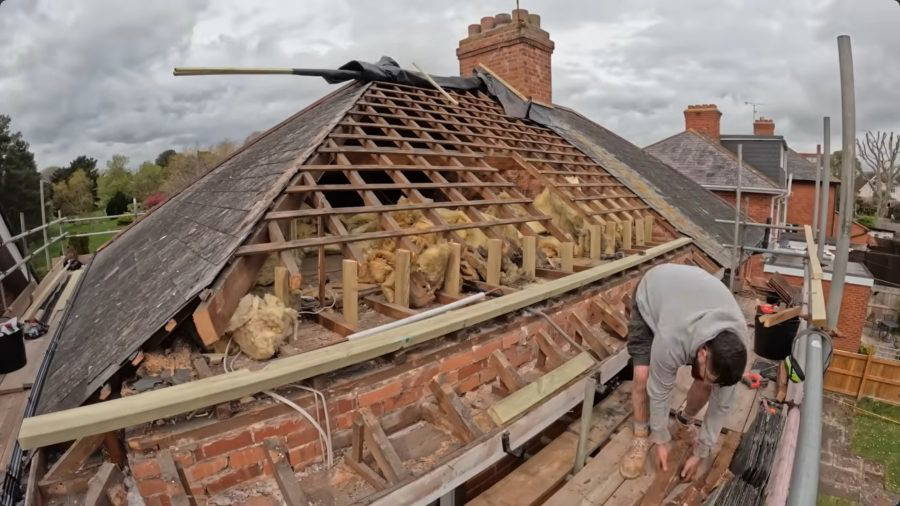
The staircase is the link that makes the loft conversion feel like a natural part of the existing home.
The staircase is the point where the loft stops feeling like a separate roof space and starts feeling like part of the home. On this job, we lined up the dusty cut-out while the clients were away for a couple of days, then braced the sections and removed the old ceiling from above to keep the mess under control.
The staircase arrived in sections and had to be built like a puzzle. We brought the main parts upstairs, set the first stringer from the top, supported the lower sections and worked through the winders so the stairs turned neatly into the new loft room.
Good stair design is not just about getting from one floor to another. It affects headroom, light, fire safety, the existing landing and how natural the finished conversion feels.
Step 7
Insulation, ventilation and fire safety
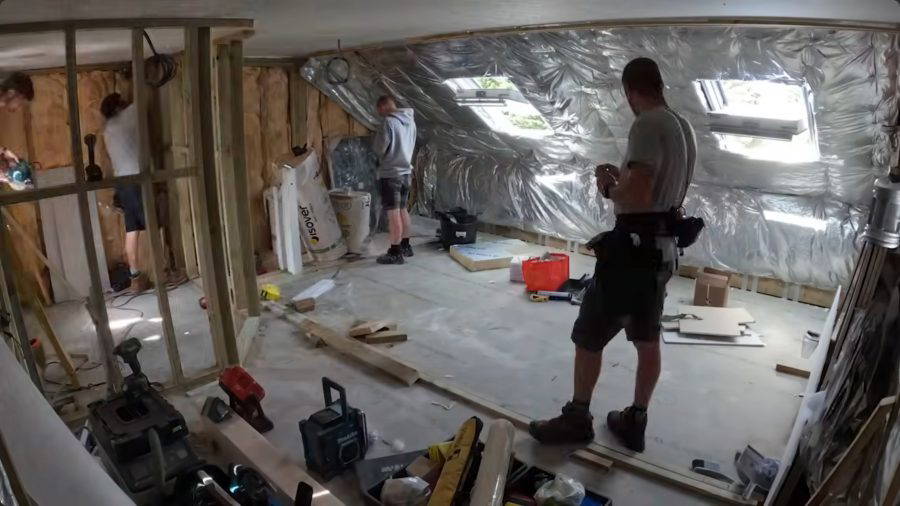
Behind the plasterboard are the details that make the new room warm, safe and compliant.
We insulated the walls, roof and awkward spaces using a mix of mineral wool, PIR board and multi-layer reflective insulation where space was tight. We also kept the right ventilation routes open, because a cold roof needs airflow above the insulation so moisture can escape.
Fire safety was also part of the job. We used fire-rated plasterboard where needed and upgraded doors elsewhere in the house to fire doors because adding another storey changes the escape requirements.
This is the kind of detail that separates a proper loft conversion from simply making a loft look like a room. It needs to be warm, ventilated, safe and signed off.
Step 8
Plastering, bathroom, joinery and the final finish
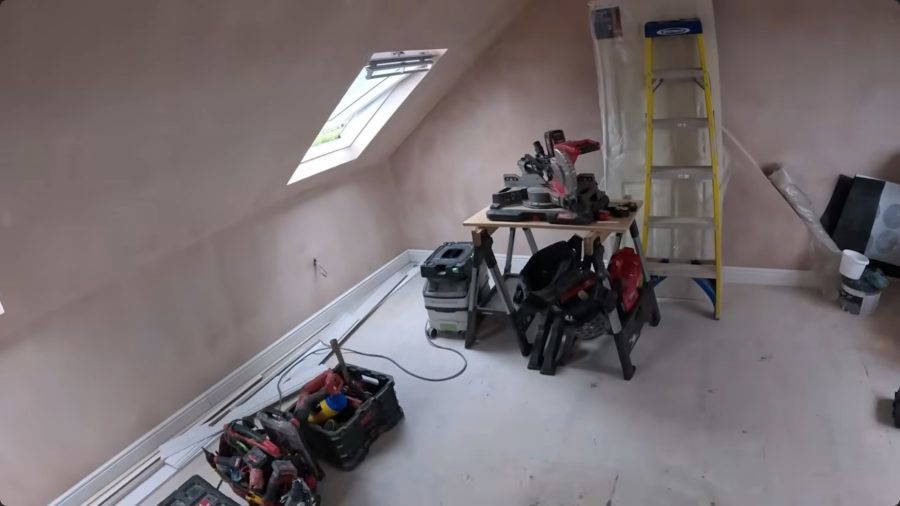
The finishing stage is where all the hidden planning starts to show.
Once the insulation and plasterboard were in, the plasterers skimmed the new bedroom, bathroom and stairwell. We fitted skirting, architraves, doors and fire doors, while the bathroom came together with tiling, shower tray, basin, toilet, radiator pipes and final plumbing.
Outside, the windows, gutters, soffits and fascias were finished and the scaffold could come down. Inside, decorators came in, electricians returned for second fix, and the space finally became the bright finished bedroom the clients had been waiting for.
That final reveal is satisfying, but for us the best part is knowing the room has been built properly from the first padstone to the final coat of paint.
How much does a loft conversion cost in Exeter?
Costs vary because every house is different. A dormer loft conversion can involve structural steel, roof alterations, scaffold, windows, insulation, staircase work, electrics, plumbing, plastering, fire doors, decorating and final finishes.
Structure Steels, padstones, joists, roof changes and dormer design.
Specification Rooflights, bathroom choices, flooring, storage, heating, electrics and finishes.
Layout Stair position, ensuite plumbing, fire doors and any changes to the floors below.
The most reliable way to understand cost is to arrange a site visit. We can look at the roof, talk through the likely structure, explain the main choices and give you a clearer idea of what is involved before you commit to the next step.
Contact Silver Fern Developments to arrange a visit and talk through your loft conversion ideas.
Planning permission and Building Regulations
Many loft conversions can be completed under permitted development rights, but not all. You may need planning permission if the work exceeds volume limits, changes the front roof slope, affects a listed building, sits within a conservation area, or if permitted development rights have been removed. The national Planning Portal loft conversion guidance is a useful starting point, but your property still needs checking properly.
Even when planning permission is not required, Building Regulations still apply. These cover structure, fire safety, stairs, insulation, ventilation, electrics and other essential standards. You can also read the government's Building Regulations approval guidance to understand why compliance matters before work starts.
On this project, the Building Inspector visited during the build and confirmed the work was where it needed to be. That kind of inspection is not a nuisance to us; it is part of making sure the finished room is safe and properly signed off.
Common loft conversion mistakes to avoid
Choosing a stair position too late.
Forgetting useful storage in the eaves.
Underestimating insulation and ventilation.
Leaving lighting, sockets and bathroom routes until too late.
Comparing quotes without checking what is included.
Not planning around weather, scaffold access and life inside the home.
Why homeowners choose Silver Fern
We know builders are not just working on a structure. We are working in your home. That means the way we communicate, protect the property, tidy up, coordinate trades and explain decisions matters just as much as the finished photo.
On this build, you can see our team dealing with weather, heavy structural steel, Building Control, electricians, plumbers, roofers, plasterers, decorators and all the small practical details in between. We take the work seriously, but we also keep the atmosphere friendly, honest and easy to talk to.
About Silver Fern Developments
Silver Fern Developments is an Exeter-based building company working on residential projects across Exeter and nearby Devon areas. Our team manages the practical details that matter on live home projects: structure, sequencing, weather protection, trusted trades, Building Control communication and clean, finished workmanship.
This guide was written from our own project footage and site experience, then structured to help homeowners understand what to ask before starting a loft conversion. For advice on your own property, send us the details through the contact form and we will talk you through the sensible next step.
What happens after you contact us?
1. Enquiry Tell us what you want to achieve with the loft.
2. Conversation We discuss the property, goals, timing and likely options.
3. Visit We review access, head height, roof structure and staircase ideas.
4. Scope You get a clearer view of next steps, costs, timings and approvals.
Questions to ask before starting a loft conversion
Is my roof space suitable for a bedroom conversion?
Will a dormer be needed to create enough usable head height?
Where can the stairs go without compromising the existing layout?
Will I need planning permission, or is permitted development likely to apply?
What Building Regulations inspections will be required?
How will the build be managed while we live in the house?
What is included in the quote, and what could change the cost?
How will progress updates, photos and payment schedules be handled?
For extra homeowner research, the LABC homeowner guidance explains how Building Control helps check domestic building work for safety and compliance.
Local loft conversion areas
Silver Fern Developments is based in Exeter and works with homeowners across the city and the surrounding Devon areas. If you are planning a loft conversion in Heavitree, St Leonards, Topsham, Exminster, Pinhoe or nearby, we can help you understand the property styles, access considerations and common build routes.
For more examples of completed work, visit the Silver Fern building projects page.
Loft conversion FAQs
Can a loft conversion add value to a home?
It can, especially when it creates a genuine bedroom and improves the layout of the property. Value depends on location, property type, specification and quality of finish.
Can I live at home during a loft conversion?
In many cases, yes. There will be noise, dust and disruption, but we plan access, temporary protection, daily tidying and communication so the process feels manageable.
Is a dormer always necessary?
No. Some lofts can work with roof windows, especially where there is already good head height. A dormer is often chosen when you need more usable space and a more comfortable room shape.
Can a loft conversion include an ensuite?
Often, but it depends on space, drainage, water pressure and ventilation. It should be discussed early because it affects the whole design.
Why does a loft conversion need so much structural work?
A loft conversion adds a new floor, new loads and often changes the roof structure. Steels, padstones, joists and engineered details make sure the new room is safe, stable and compliant.
Thinking about a loft conversion in Exeter?
If your loft has the potential to become a bedroom, office, bathroom or guest suite, we can help you understand what is possible, what it may involve and how to plan the work properly.